Fire-Safe Landscaping
Written by David Rodgers — Updated March 2026
Reduce wildfire risk around your home with defensible space design, low-flammability plant choices, and smart hardscape buffers.
Defensible space is not about eliminating vegetation around your home — it is about creating zones of managed, low-flammability planting that slow a fire's approach, reduce ember landing zones, and give firefighters a safer working environment. California, Colorado, Oregon, Washington, Arizona, and New Mexico have all developed specific defensible space requirements based on decades of post-fire research, and the principles apply equally to any home in a fire-prone landscape. The critical insight from wildfire research is that homes are most often ignited by embers carried ahead of the fire front — sometimes miles ahead — so reducing the number of places embers can lodge and ignite is as important as the plants themselves.
What This Guide Covers
The three-zone framework divides the landscape by distance from the home: Zone 0 (0–5 feet) should be non-combustible — stone, concrete, gravel, or irrigated succulents only; no wood mulch, no combustible debris. Zone 1 (5–30 feet) allows low-flammability, widely spaced plants with no continuous "fire ladder" from ground to crown — this means keeping grass mowed, spacing shrubs so fire cannot travel between them, and limbing up trees to at least six feet. Zone 2 (30–100 feet) focuses on reducing fuel continuity rather than eliminating vegetation. Highly flammable plants to avoid near structures include juniper (particularly spreading varieties), ornamental grasses left standing and dry, pampas grass, and any resinous conifers in dense plantings. The full guide covers plant flammability ratings, hardscape buffer design, ember-resistant vents and construction features, and region-specific plant lists.
A comprehensive, in-depth guide covering the three defensible space zones, low-flammability plant lists by region, hardscape buffer design, high-risk plants to avoid near structures, and ember-resistant landscaping principles is currently in development. Subscribe to the Planting Atlas newsletter to be notified when the full guide publishes.
🌿 Get Seasonal Gardening Tips
New guides, planting reminders, and growing tips — straight to your inbox.
No spam. Unsubscribe anytime.
About the Author
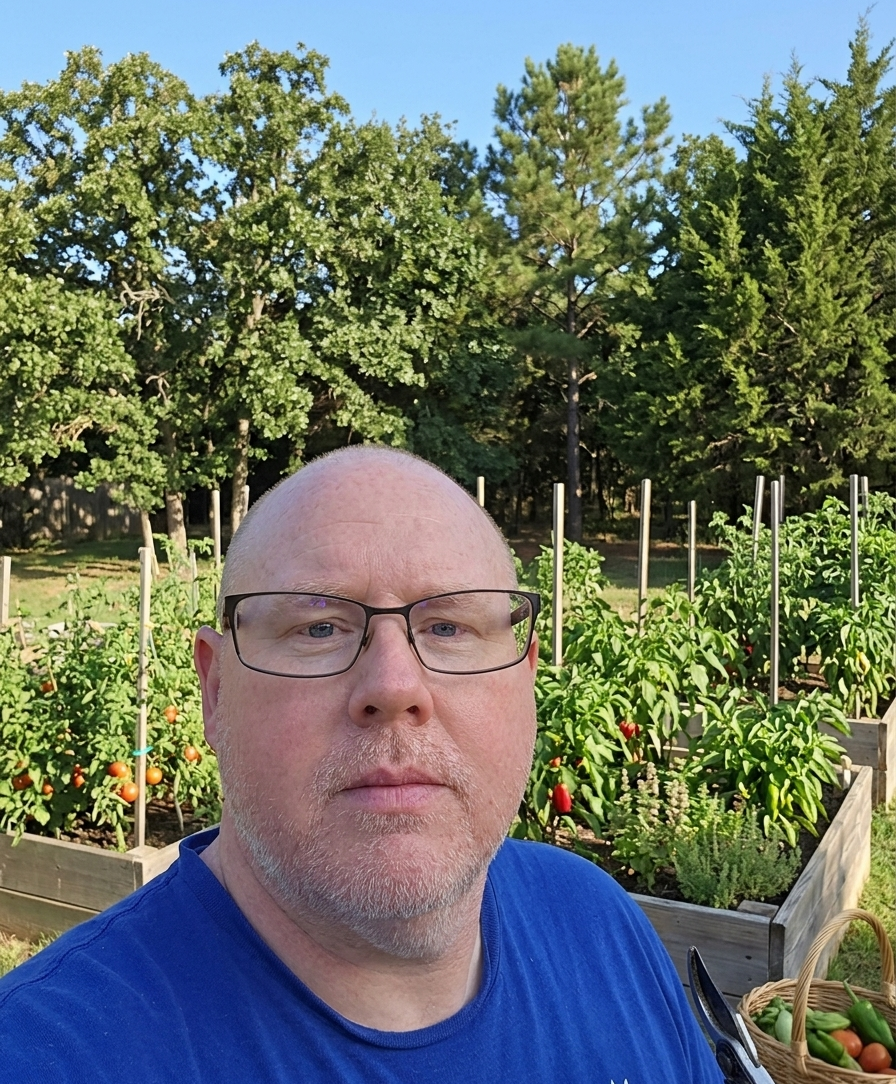
David Rodgers is the Founder & Head Gardener of Planting Atlas. With over 40 years of hands-on gardening experience in Oklahoma's Zone 7 climate, he researches, writes, and personally tests every guide on the site.
David draws from real backyard trials, soil testing, and trusted sources like Oklahoma State University Extension and USDA data to deliver practical, zone-specific advice that actually works.
Read more about David and Planting Atlas →