Cutting & Drying Garden
Written by David Rodgers — Updated March 2026
Grow flowers specifically for fresh-cut bouquets and dried arrangements — with succession planting strategies that keep stems coming from spring through frost.
A cutting garden is fundamentally different from a display garden — it prioritizes yield and stem length over visual perfection in the landscape. Plants are grown in rows for easy harvest, deadheaded aggressively to encourage continuous stem production, and selected for vase life rather than compact garden form. The most productive cutting gardens combine reliable annual workhorses (zinnia, sunflower, celosia, cosmos, lisianthus) with a backbone of perennials that produce year after year (peony, yarrow, Siberian iris, catmint) and a selection of everlastings that can be dried for long-lasting arrangements (statice, strawflower, globe amaranth, lunaria, nigella). Together these three layers give the cutting gardener something to harvest from May through October in most US zones.
What This Guide Covers
Succession planting is the key to avoiding a feast-or-famine cutting garden: sowing fast-growing annuals like zinnia and sunflower every three weeks from last frost through early summer ensures a continuous harvest rather than a single overwhelming flush followed by bare rows. Harvesting technique matters enormously for vase life — most flowers should be cut in the early morning when stems are fully hydrated, placed immediately in cool water, and conditioned in a bucket in a cool location for several hours before arranging. For drying, flowers like strawflower and globe amaranth are picked slightly before full open; grasses and seed pods are harvested as they mature; and hanging bundles upside down in a dry, dark space with good air circulation prevents mold. The full guide covers the top fifty cutting flowers and their specific harvest timing, succession planting schedules, drying methods by flower type, and how to design a productive cutting garden in a small space.
A comprehensive, in-depth guide covering the best annuals and perennials for cutting, succession planting schedules, harvesting technique for maximum vase life, drying methods for everlastings, and cutting garden layout is currently in development. Subscribe to the Planting Atlas newsletter to be notified when the full guide publishes.
🌿 Get Seasonal Gardening Tips
New guides, planting reminders, and growing tips — straight to your inbox.
No spam. Unsubscribe anytime.
About the Author
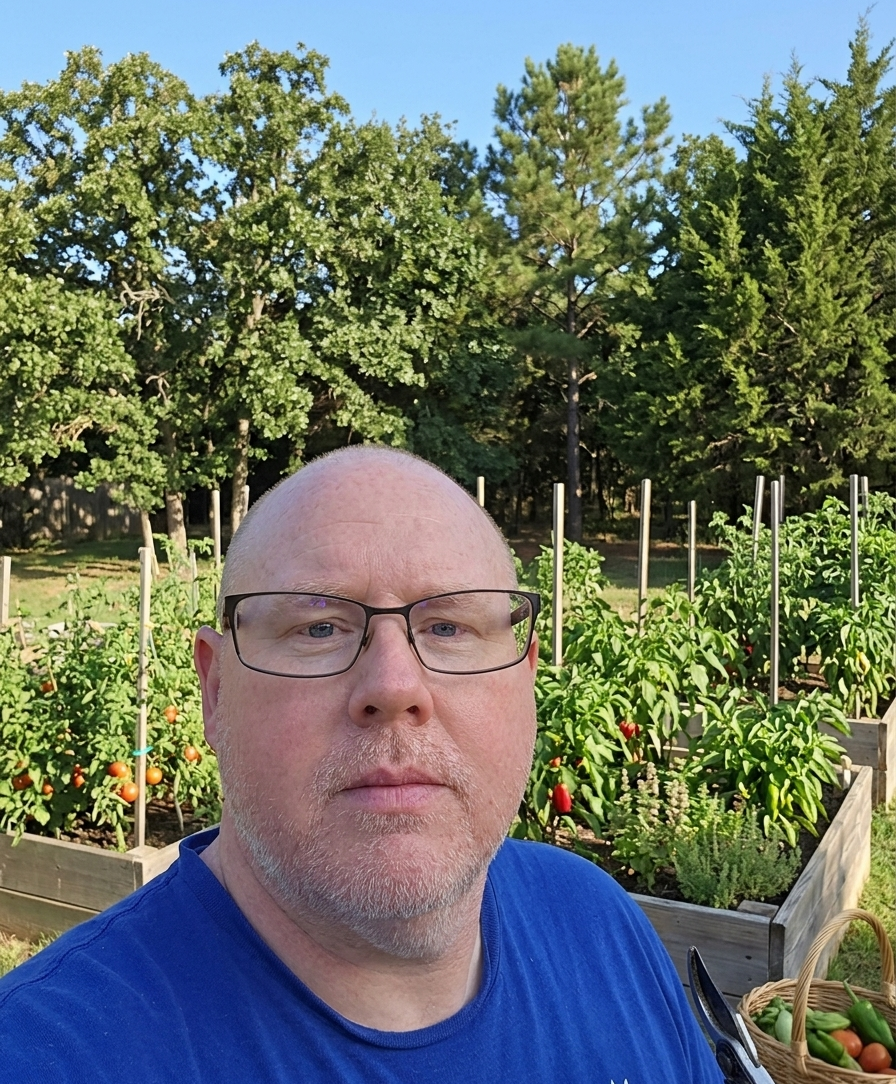
David Rodgers is the Founder & Head Gardener of Planting Atlas. With over 40 years of hands-on gardening experience in Oklahoma's Zone 7 climate, he researches, writes, and personally tests every guide on the site.
David draws from real backyard trials, soil testing, and trusted sources like Oklahoma State University Extension and USDA data to deliver practical, zone-specific advice that actually works.
Read more about David and Planting Atlas →