Vegetables in Containers
Written by David Rodgers — Updated March 2026
Grow a productive food garden entirely in pots — with the right varieties, container sizes, and feeding practices for each crop.
Container vegetable gardening has expanded far beyond the cherry tomato in a five-gallon bucket — modern compact varieties make it possible to grow full-size harvests of peppers, cucumbers, eggplant, beans, and even small winter squash in containers on a patio or deck. The critical principle is matching container volume to crop size: underpotting is the most common mistake, leading to stunted plants, poor yield, and constant water stress. Tomatoes need a minimum of five gallons — and preferably ten to fifteen for indeterminate varieties; most other fruiting vegetables need at least three to five gallons. Container vegetables also need more frequent fertilizing than in-ground crops because nutrients leach out with every watering.
What This Guide Covers
Variety selection is as important as container size: "patio," "bush," "dwarf," or "compact" varieties are bred specifically for container culture. Tumbling Tom and Patio tomatoes are reliable performers; Bush Pickle cucumber fits a five-gallon container; Patio Baby eggplant and Shishito pepper produce well in three to four gallons. Never use garden soil in containers — it compacts, drains poorly, and may introduce pests and disease. A high-quality potting mix, or a mix of one-third potting mix, one-third compost, and one-third perlite, provides the drainage and aeration container roots need. The full guide covers minimum container sizes by crop, the best compact varieties for containers, fertilizing schedules (container vegetables need feeding weekly or bi-weekly), heat stress management on hot patios, and watering strategies to prevent the wet-dry extremes that cause blossom end rot.
A comprehensive, in-depth guide covering minimum container sizes by crop, the best compact varieties for containers, potting mix recipes, fertilizing schedules, heat stress management, and watering to prevent blossom end rot is currently in development. Subscribe to the Planting Atlas newsletter to be notified when the full guide publishes.
🌿 Get Seasonal Gardening Tips
New guides, planting reminders, and growing tips — straight to your inbox.
No spam. Unsubscribe anytime.
About the Author
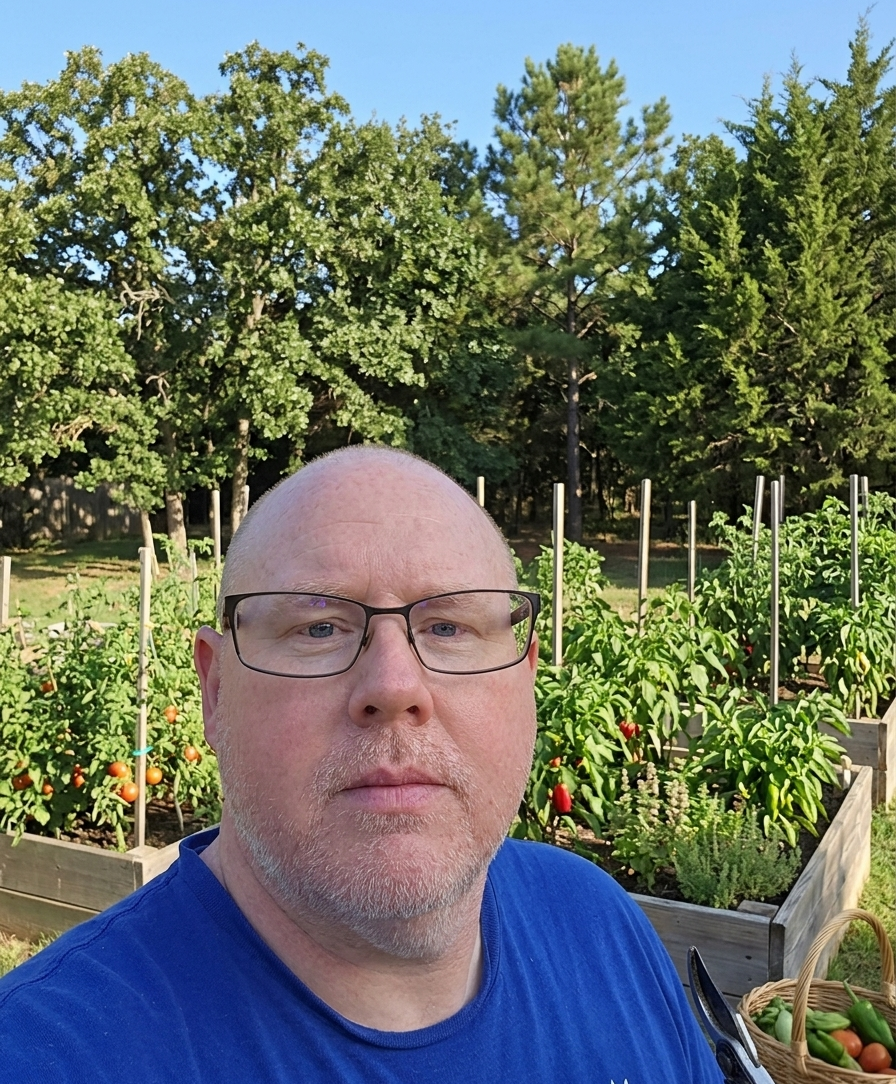
David Rodgers is the Founder & Head Gardener of Planting Atlas. With over 40 years of hands-on gardening experience in Oklahoma's Zone 7 climate, he researches, writes, and personally tests every guide on the site.
David draws from real backyard trials, soil testing, and trusted sources like Oklahoma State University Extension and USDA data to deliver practical, zone-specific advice that actually works.
Read more about David and Planting Atlas →