Composting Basics
Written by David Rodgers — Updated March 2026
Turn kitchen scraps and garden waste into rich, free compost — the single most valuable amendment you can add to any garden soil.
Finished compost is often called "black gold" by gardeners, and the label is apt: it improves drainage in clay soils, increases water retention in sandy soils, feeds soil microorganisms that make nutrients available to plants, and suppresses certain soil-borne diseases — no synthetic fertilizer does all of these things simultaneously. The fundamentals are simple: combine roughly three parts carbon-rich "browns" (dry leaves, straw, cardboard, wood chips) with one part nitrogen-rich "greens" (kitchen scraps, fresh grass clippings, garden trimmings), add enough moisture to make the pile feel like a wrung-out sponge, and either turn it regularly for hot composting or leave it alone for slow cold composting. Both methods produce excellent compost; they differ only in speed.
What This Guide Covers
Hot composting — maintaining a pile large enough (at least three feet cubed) to generate internal temperatures of 130–160°F — kills most weed seeds, pathogens, and fly larvae and can produce finished compost in as little as six to eight weeks with regular turning. Cold composting asks far less of the gardener — add materials as they become available, turn occasionally, and harvest finished compost from the bottom after six to twelve months. What not to compost is as important as what to include: meat, dairy, and cooked food attract pests; diseased plant material can spread pathogens; and pet waste introduces harmful bacteria. The full guide covers pile construction, carbon-to-nitrogen ratio in practice, troubleshooting common problems (smelly pile, pile not heating, pile too dry), vermicomposting as a kitchen-scrap alternative, and how and when to apply finished compost.
A comprehensive, in-depth guide covering hot and cold composting methods, the carbon-to-nitrogen ratio in practice, what to include and exclude, troubleshooting common problems, vermicomposting, and applying finished compost is currently in development. Subscribe to the Planting Atlas newsletter to be notified when the full guide publishes.
🌿 Get Seasonal Gardening Tips
New guides, planting reminders, and growing tips — straight to your inbox.
No spam. Unsubscribe anytime.
About the Author
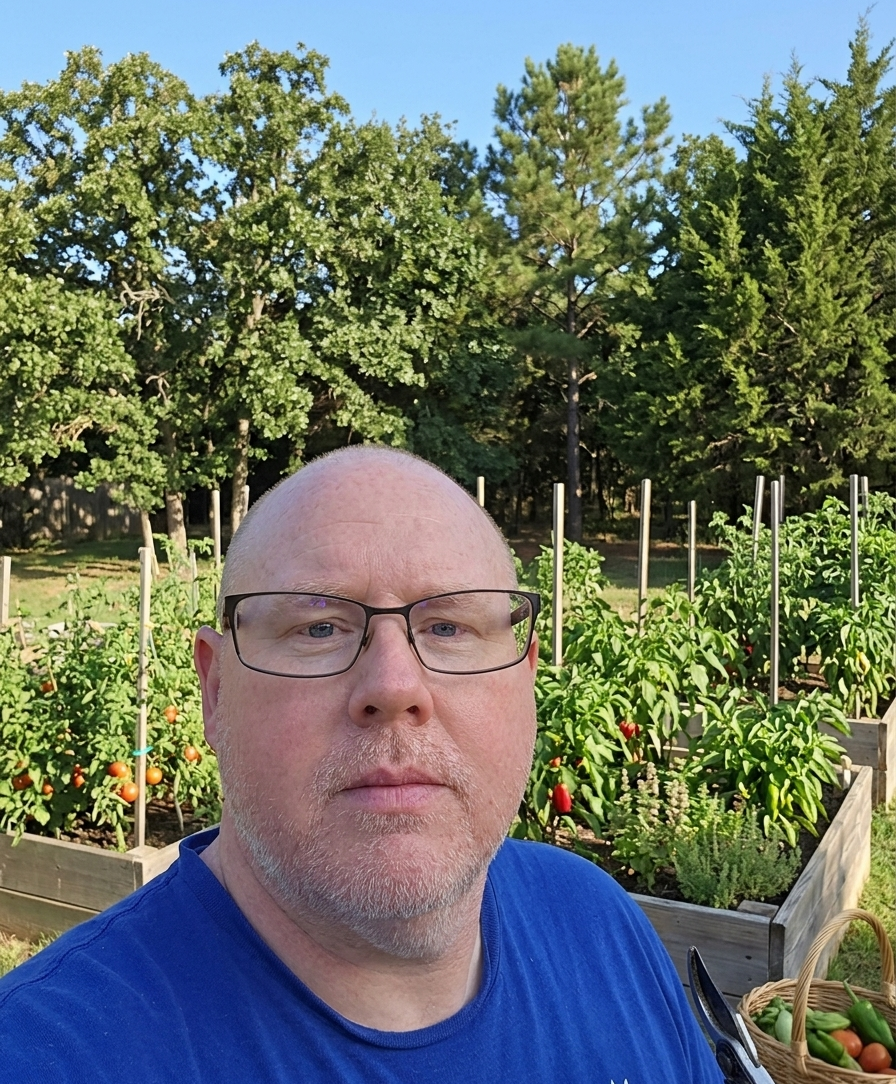
David Rodgers is the Founder & Head Gardener of Planting Atlas. With over 40 years of hands-on gardening experience in Oklahoma's Zone 7 climate, he researches, writes, and personally tests every guide on the site.
David draws from real backyard trials, soil testing, and trusted sources like Oklahoma State University Extension and USDA data to deliver practical, zone-specific advice that actually works.
Read more about David and Planting Atlas →