Companion Planting
Written by David Rodgers — Updated March 2026
Strategic plant pairings that deter pests, improve yield, and support soil health — based on what the research actually shows works.
Companion planting sits at the intersection of gardening tradition and plant science — some combinations have strong research support, others are garden folklore passed down without scrutiny, and distinguishing between them helps gardeners invest their space in pairings that actually deliver results. The Three Sisters combination of corn, beans, and squash is among the most well-documented: corn provides a trellis for nitrogen-fixing beans, while squash leaves shade the soil to retain moisture and suppress weeds — a functional polyculture that indigenous farmers in North America practiced for centuries. Tomatoes and basil are frequently cited together; while basil makes an excellent kitchen companion to tomatoes, the evidence for direct pest-repelling effects in the garden is mixed — but the combination is still worth planting simply because basil thrives in similar conditions.
What This Guide Covers
Some companion planting mechanisms are well-established: alliums (onions, garlic, chives) planted near carrots genuinely reduce carrot fly pressure through scent confusion; French marigolds grown as a full-season cover crop reduce root-knot nematode populations through root secretions; nasturtiums as trap crops draw aphids away from beans and brassicas when planted upwind. Combinations to avoid are equally important: fennel is allelopathic and inhibits germination and growth of many neighboring plants, making it a poor companion for most vegetables. Dill and carrots are in the same family (Apiaceae) and can cross-pollinate; dill also inhibits tomatoes when mature. The full guide covers the mechanisms behind proven companion combinations, a comprehensive pairing table covering forty common vegetables and herbs, trap crop strategies, allelopathic plants to isolate, and how to plan a companion-planted vegetable garden.
A comprehensive, in-depth guide covering the science of companion planting, proven plant pairings and the mechanisms behind them, trap crop strategies, allelopathic plants to avoid, and how to design a companion-planted vegetable garden is currently in development. Subscribe to the Planting Atlas newsletter to be notified when the full guide publishes.
🌿 Get Seasonal Gardening Tips
New guides, planting reminders, and growing tips — straight to your inbox.
No spam. Unsubscribe anytime.
About the Author
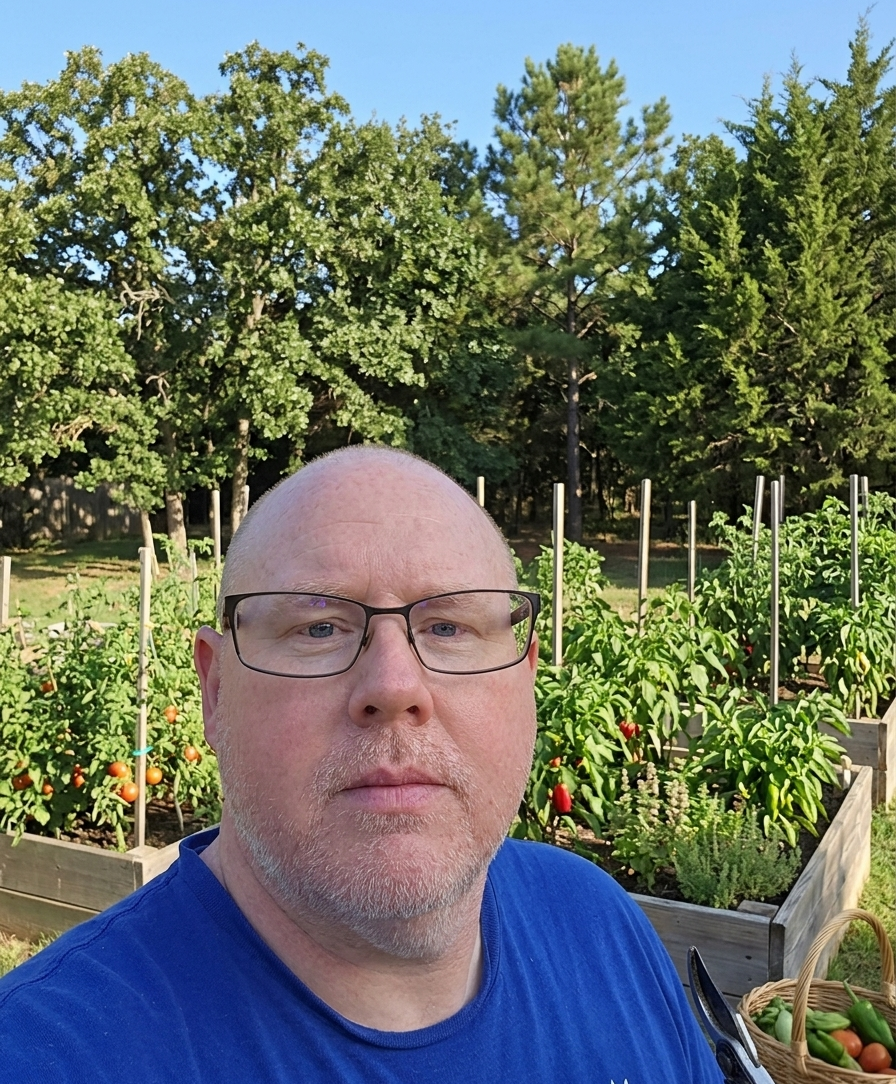
David Rodgers is the Founder & Head Gardener of Planting Atlas. With over 40 years of hands-on gardening experience in Oklahoma's Zone 7 climate, he researches, writes, and personally tests every guide on the site.
David draws from real backyard trials, soil testing, and trusted sources like Oklahoma State University Extension and USDA data to deliver practical, zone-specific advice that actually works.
Read more about David and Planting Atlas →