Extend your growing season by four to six weeks in both spring and fall — with simple structures that cost almost nothing to build.
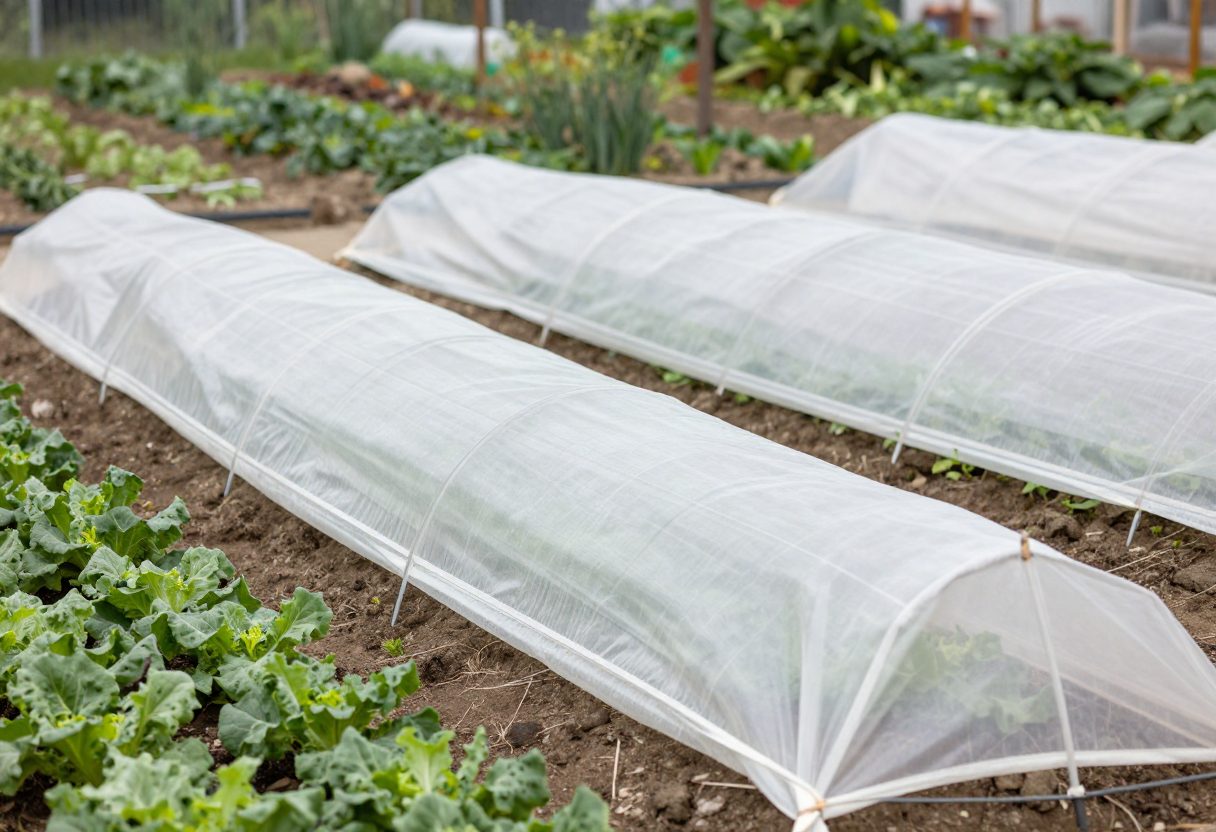
A cold frame is one of the most practical investments a vegetable gardener can make: a simple bottomless box with a transparent lid traps solar heat, raises soil temperature, and protects plants from frost — often enough to grow salad greens through winter in Zones 6 and warmer. Cold frames can be built from scrap lumber and an old storm window for under twenty dollars, or purchased as ready-made kits. Beyond cold frames, season extension encompasses row cover fabric, low tunnels made from wire hoops and floating row cover, and full hoop houses — each offering progressively more warmth and weather protection for progressively more investment.
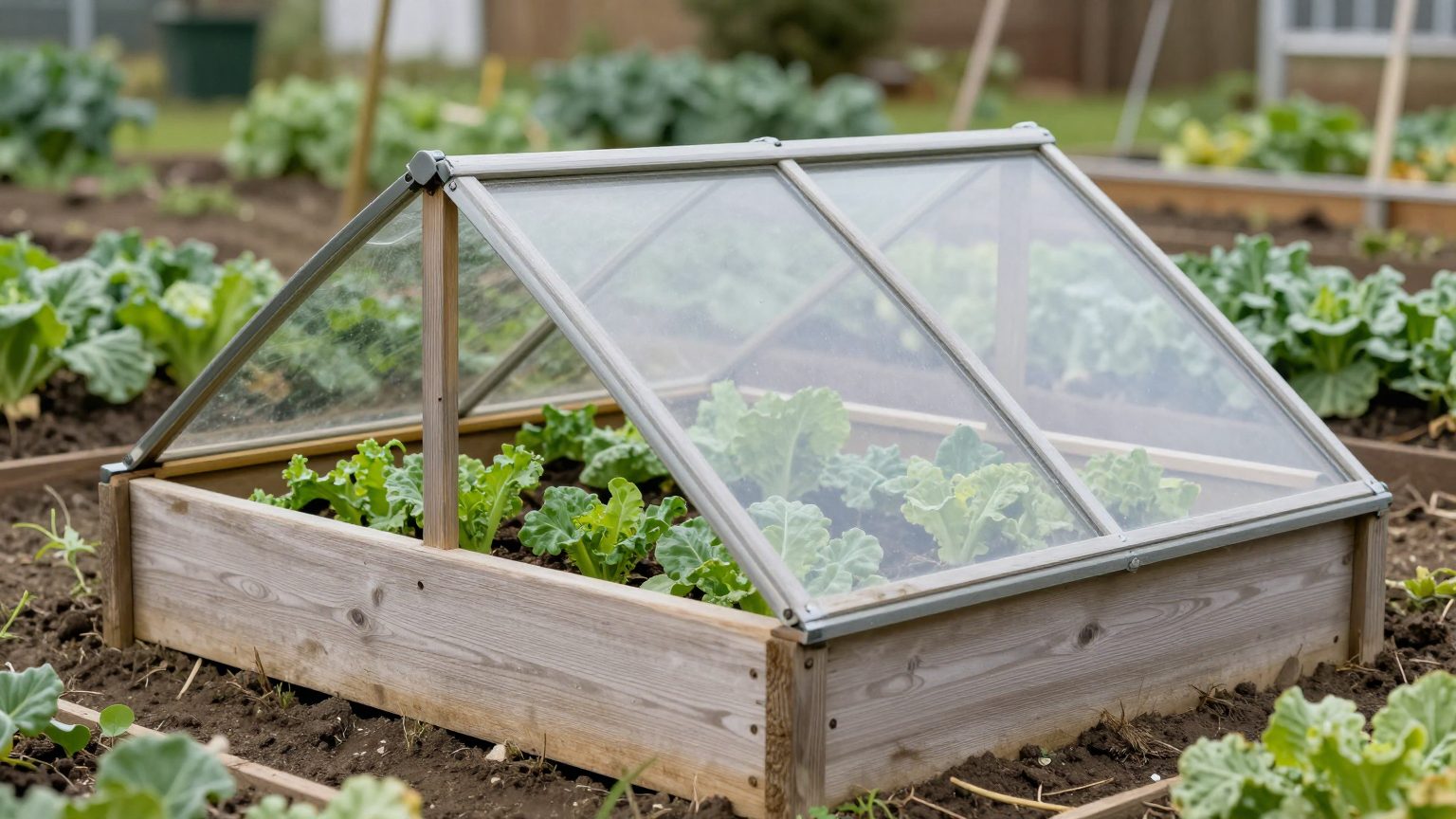
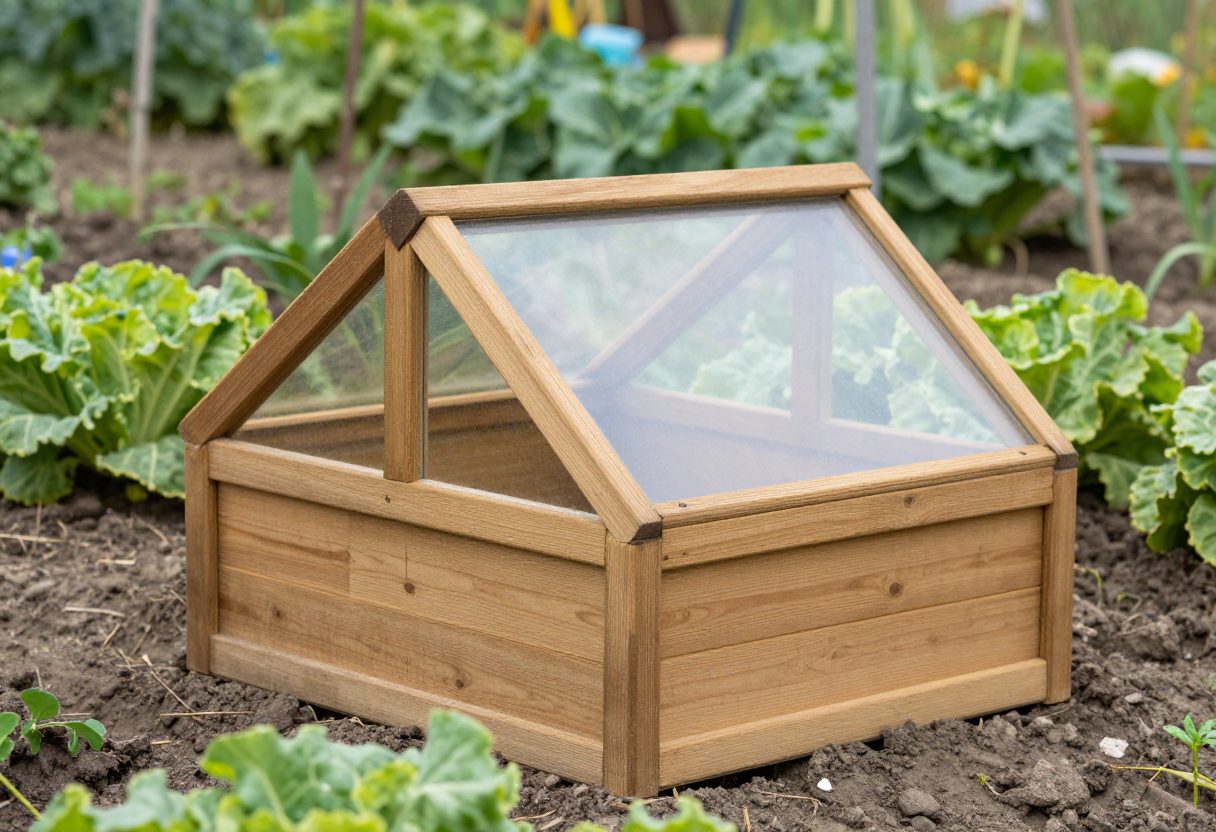
A cold frame doesn't need to be elaborate to work well — the basic design (a bottomless box with a transparent, hinged lid) has stayed essentially unchanged for generations because it's simple and effective.
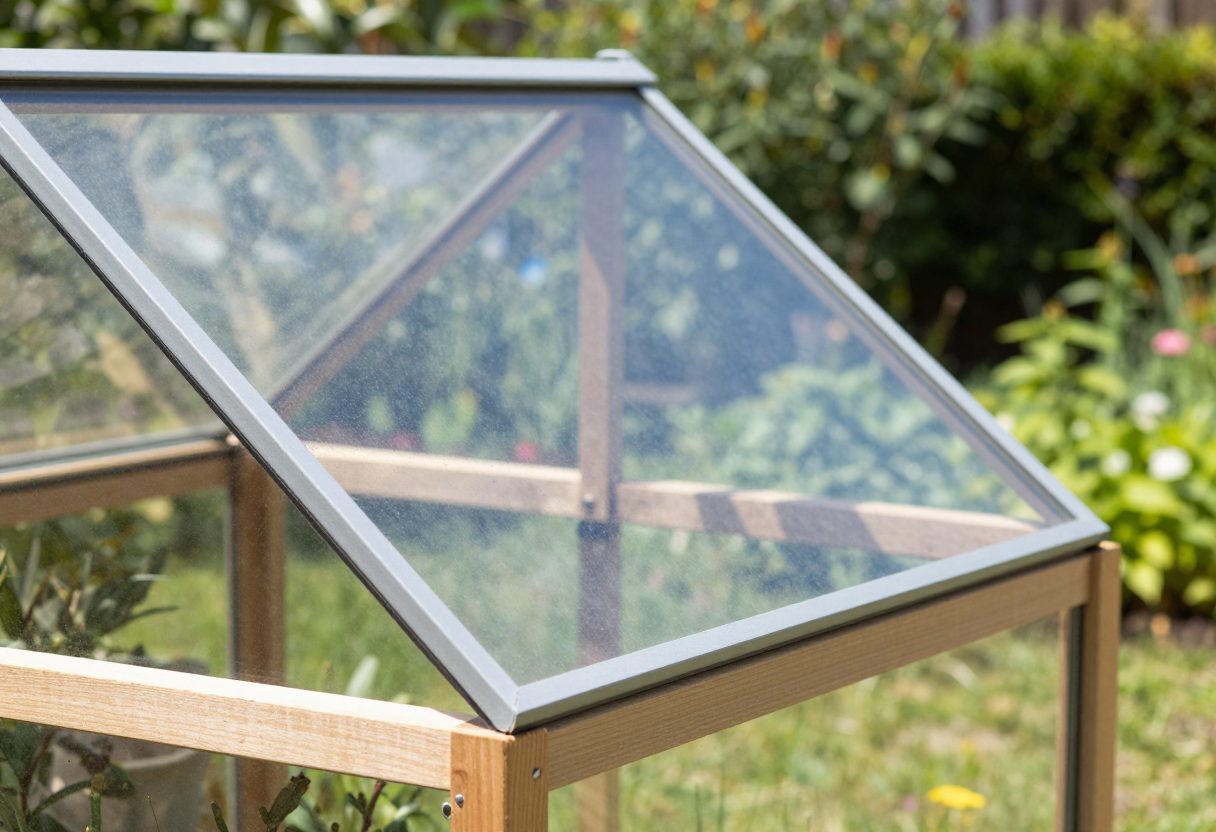
•Build the back wall taller than the front — a sloped lid sheds rain and snow while angling toward the sun for maximum solar gain, typically a 10-15 degree slope.
•Use an old storm window, greenhouse polycarbonate panel, or heavy-duty plastic sheeting stretched over a frame as the transparent lid.
•Size the box to match your actual planting plans — a 3-by-6-foot frame is a common, manageable size for a home garden, but any size that fits your space works.
•Insulate the frame's walls (straw bales stacked against the outside, foam board) for significantly better cold-night performance in harsher climates.
•A hinged lid, rather than a lid that must be fully removed, makes daily venting dramatically more practical.
🔨
A cold frame built from scrap lumber and a salvaged storm window can cost under twenty dollars and still perform as well as a purchased kit costing many times more — the design is simple enough that materials matter more than craftsmanship.
A basic cold frame — a bottomless box with a sloped, transparent lid — has stayed largely unchanged for generations because the simple design works.
Siting for Solar Gain and the Critical Role of Ventilation
The most important principle of season extension is ventilation — a cold frame in direct March sun can overheat to seedling-killing temperatures within an hour if not propped open, even when outdoor air temperature is still near freezing.
•Site the cold frame facing south (or the most sun-exposed direction available) for maximum solar gain through the coldest months.
•Position it against a south-facing wall or fence where practical — the structure adds thermal mass and wind protection.
•Check and vent the frame daily on sunny days, even in winter — prop the lid open a few inches once interior temperature climbs, and close it again as afternoon temperatures drop.
•Consider an automatic vent opener (a wax-cylinder or bimetal-strip device that opens the lid automatically past a set temperature) for anyone who can't check the frame daily.
⚠️
More cold frame crops are lost to overheating on a sunny day than to frost on a cold night — the enclosed space traps heat far more effectively than most gardeners expect, and even a 20°F outdoor day can produce dangerously high interior temperatures by midday.
Daily venting on sunny days prevents a cold frame from overheating, even when outdoor temperatures are still near freezing.
Crop Selection by Protection Level Needed
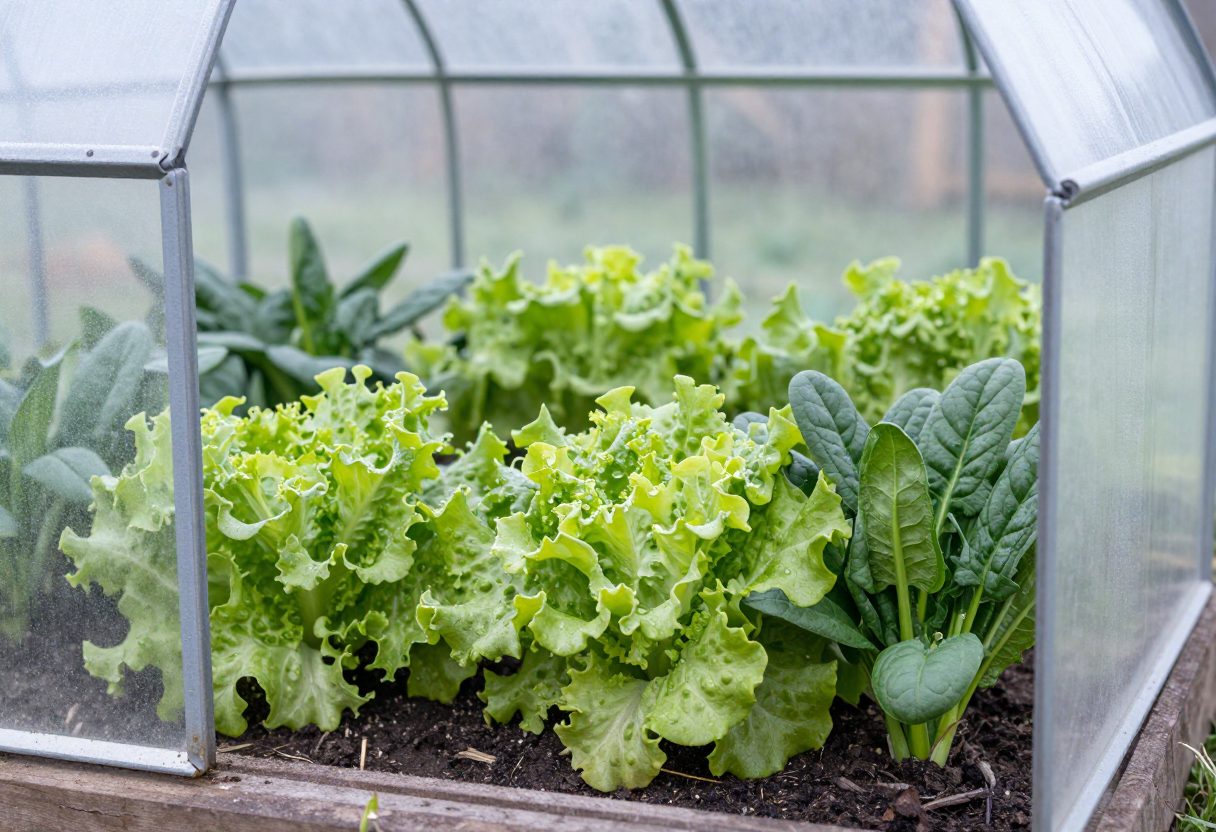
Cold frames work best for cool-season crops that already tolerate some cold — they extend the range of a crop's natural tolerance rather than making a genuinely tender plant frost-hardy.
Crop
Cold Tolerance
Best Use in a Cold Frame
Lettuce, spinach, arugula, mache
High
Reliable winter growth in Zones 6+ with a cold frame; slower growth but continuous harvest
Kale, collards
Very high
Some varieties survive with minimal protection even outside a frame, but a cold frame speeds growth significantly
Radishes
High
Fast-maturing, ideal for filling a cold frame between other plantings
Scallions (overwintered)
High
Plant in fall for an extra-early spring harvest
Carrots (overwintered)
Moderate-high
Sweeten with cold exposure; can be left in the ground under a frame and harvested through winter in milder zones
Seedlings started indoors
Varies by species
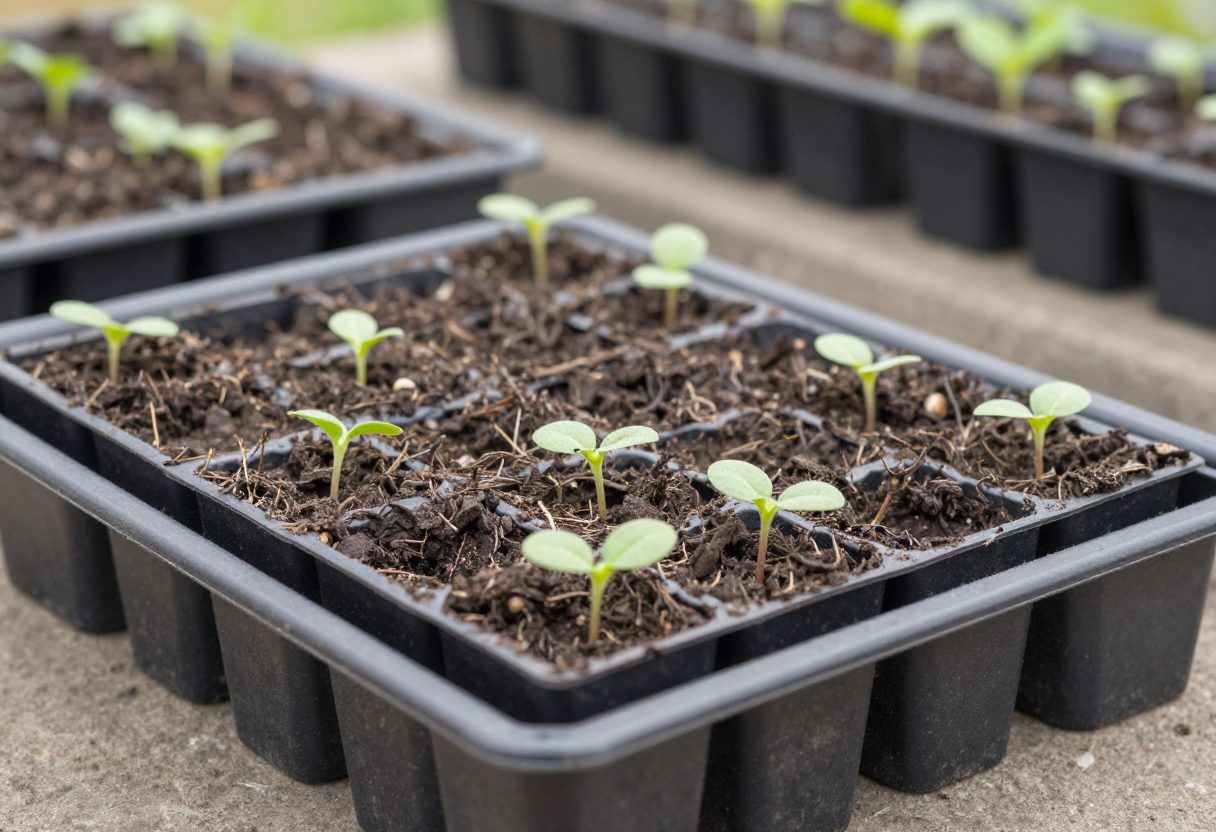
A cold frame is the ideal hardening-off environment before transplanting to the open garden
🥬
A cold frame doesn't need to hold the same crop all season — succession planting quick crops like radishes and lettuce keeps the space productive throughout fall, winter, and early spring.
Cool-season greens like lettuce and spinach can grow through winter in Zones 6+ with a cold frame's protection.
Row Cover, Low Tunnels, and Hoop House Basics
Beyond a fixed cold frame, several other season-extension tools offer different tradeoffs between protection level, flexibility, and cost — useful for larger plantings a cold frame can't cover.
Structure
Protection Level
Best For
Relative Cost
Floating row cover (fabric only, no structure)
Light — a few degrees of frost protection
Draped directly over rows for quick, flexible protection
Very low
Low tunnels (wire hoops + row cover or plastic)
Moderate
Extending a fabric row cover's protection with a taller, more consistent air gap over plants
Low
Cold frame
Moderate-high
A fixed location, smaller area, easy daily access
Low-moderate
Hoop house (walk-in, unheated)
High
Larger plantings, season-long extension across a bigger footprint
Moderate-high
🌾
A hoop house extends the same core principle as a cold frame — trapping solar heat under a transparent barrier — just at a scale that covers rows rather than a single box, making it the natural next step for a gardener whose cold frame season-extension has outgrown its footprint.
Low tunnels made from wire hoops and row cover extend season-extension protection across larger plantings than a cold frame can cover.
Timing Plantings for Each Structure and Zone
Season extension timing is best understood relative to your zone's frost dates, not fixed calendar dates — a cold frame typically buys four to six weeks on both ends of the growing season, regardless of which specific dates that translates to locally.
•Fall planting: sow cool-season crops in a cold frame roughly 4-6 weeks before your first fall frost date, so they're established before growth slows in shorter, cooler days.
•Winter harvest: in Zones 6 and warmer, many cold-hardy greens can be harvested intermittently through winter from a cold frame, though growth slows dramatically as day length shortens.
•Spring planting: start cool-season crops in a cold frame 4-6 weeks before your last spring frost date — well ahead of when the same crop could be direct-sown in open ground.
•Hardening off: move indoor-started seedlings to the cold frame roughly 7-10 days before their final transplant date, propping the lid open progressively longer each day to acclimate them to outdoor conditions.
📅
Check the site's Zone Finder and Garden Planting Calendar tools for your specific frost dates, then apply the 4-6 week cold frame extension window on either end — the same underlying frost-date math the rest of the site's planting tools already use.
A cold frame is an ideal hardening-off environment, gradually acclimating indoor-started seedlings to outdoor conditions before transplanting.
🌿 Get Seasonal Gardening Tips
New guides, planting reminders, and growing tips — straight to your inbox.
No spam. Unsubscribe anytime.
About the Author
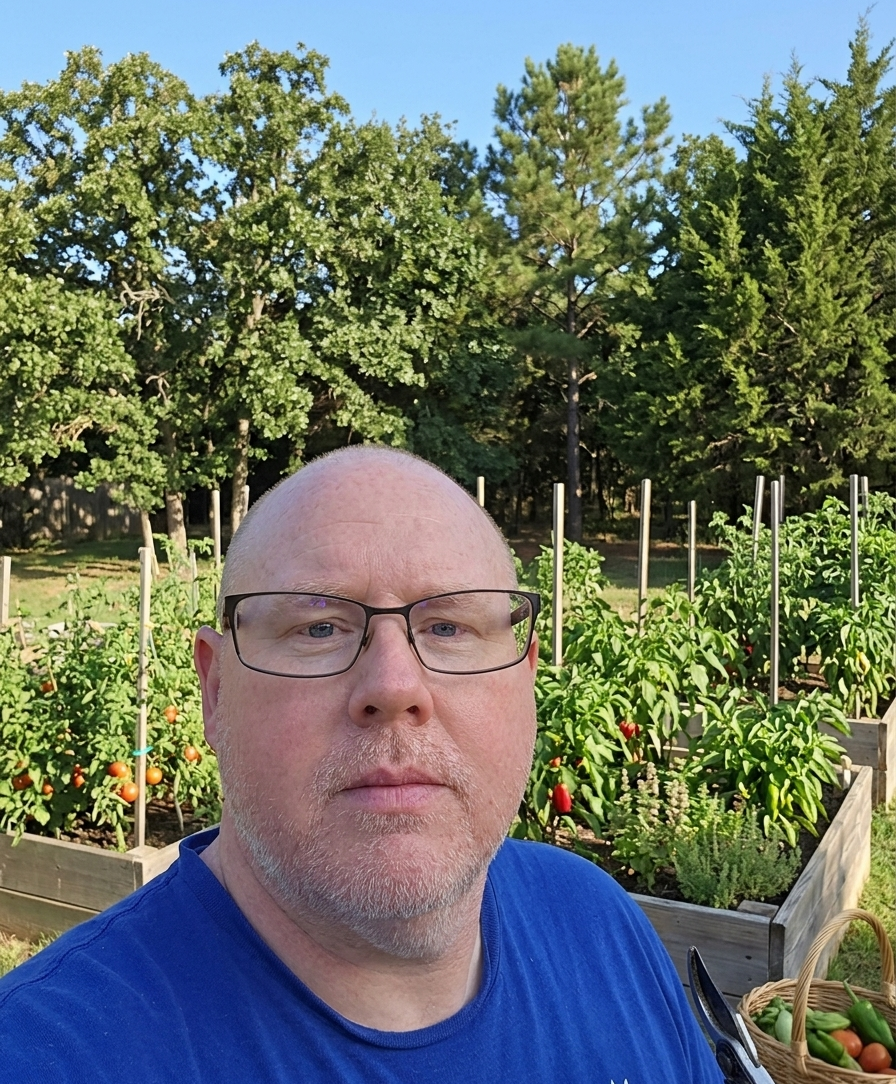
David Rodgers is the Founder & Head Gardener of Planting Atlas. With over 40 years of hands-on gardening experience in Oklahoma's Zone 7 climate, he researches, writes, and personally tests every guide on the site.
David draws from real backyard trials, soil testing, and trusted sources like Oklahoma State University Extension and USDA data to deliver practical, zone-specific advice that actually works.