Bird-Friendly Garden
Written by David Rodgers — Updated March 2026
Attract more birds to your yard by providing what they actually need — food, shelter, water, and nesting habitat — using plants that do the work naturally.
Feeders bring birds to your yard, but plants keep them there. The most bird-rich gardens are those that offer a diversity of native food sources — berry-producing shrubs, seed-bearing flowers, and insect-supporting trees — along with dense shrubs for shelter and nesting, reliable water sources, and freedom from the pesticides that eliminate the insects birds depend on for raising young. Even if every adult bird in your yard were a strict seed eater, their nestlings require caterpillars and soft insects during the first weeks of life — making native insect-supporting plants, particularly native trees like oaks, cherries, and serviceberry, essential to successful breeding populations.
What This Guide Covers
Berry-producing shrubs are among the highest-value plants you can add for birds: native viburnums, elderberries, and hollies provide fall and winter fruit; serviceberry (Amelanchier) fruits in late spring when migratory birds are building fat reserves; and native dogwoods produce high-fat berries essential for fall migrant fueling. Seed-bearing perennials — coneflowers, black-eyed Susans, native sunflowers, and native grasses like little bluestem — provide winter seed that ground-feeding sparrows, juncos, and finches rely on, making fall cleanup timing critical (leave seed heads standing through winter). Brush piles made from pruned branches provide low-cost shelter and foraging habitat for ground-nesting and thicket-dwelling species. The full guide covers plant selection by bird guild, water feature design, nest box specifications by species, pesticide-free pest management, and creating year-round food availability.
A comprehensive, in-depth guide covering bird-supporting plants by season and bird guild, water feature design, nest box installation and sizing, pesticide-free garden management, and regional native plant recommendations is currently in development. Subscribe to the Planting Atlas newsletter to be notified when the full guide publishes.
🌿 Get Seasonal Gardening Tips
New guides, planting reminders, and growing tips — straight to your inbox.
No spam. Unsubscribe anytime.
About the Author
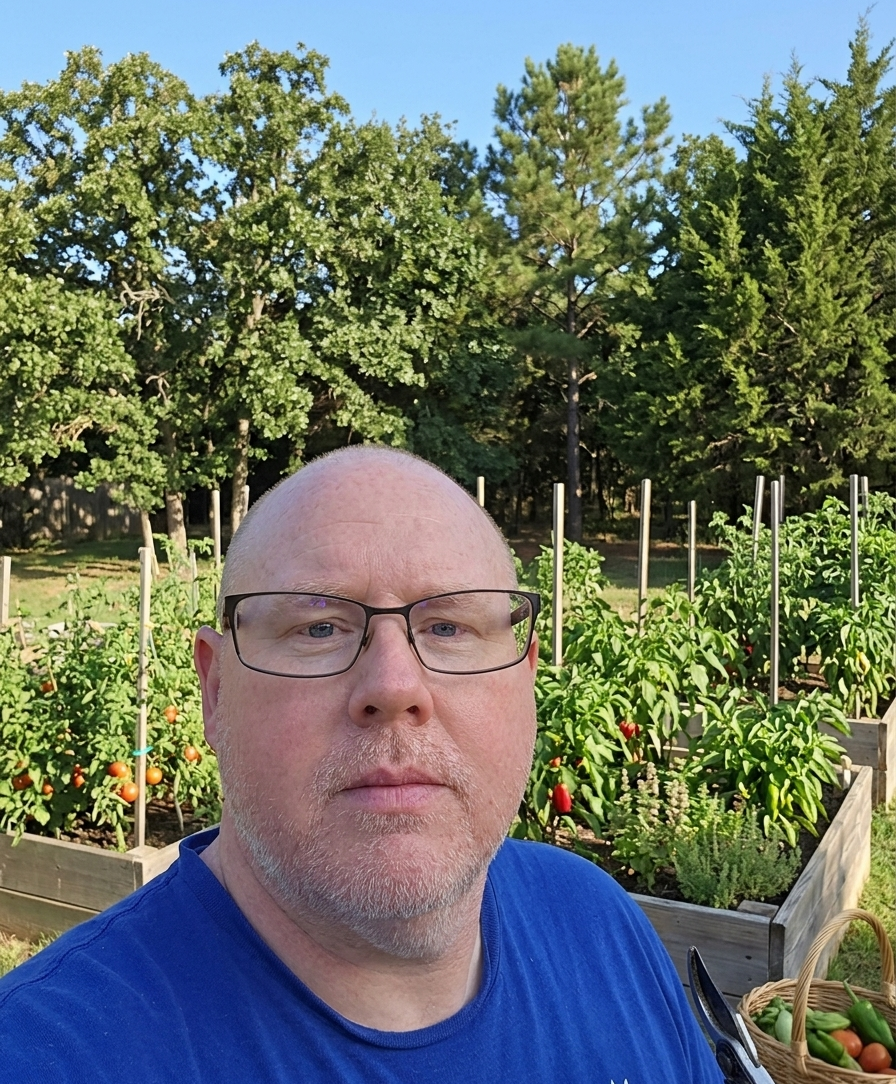
David Rodgers is the Founder & Head Gardener of Planting Atlas. With over 40 years of hands-on gardening experience in Oklahoma's Zone 7 climate, he researches, writes, and personally tests every guide on the site.
David draws from real backyard trials, soil testing, and trusted sources like Oklahoma State University Extension and USDA data to deliver practical, zone-specific advice that actually works.
Read more about David and Planting Atlas →