Design a garden around therapeutic scent — calming, energizing, and mood-lifting plants arranged to create a genuine outdoor wellness space.
An aromatherapy garden is built on the same principle as a wellness practice: deliberate, intentional, and tailored to how you want to feel. Lavender and chamomile lower cortisol and promote calm; rosemary and peppermint are mentally activating and improve focus; jasmine and rose have been shown in small studies to lift mood and reduce anxiety. Unlike a general fragrance garden, an aromatherapy garden groups plants by their effect, so you can move through spaces that energize in the morning and unwind in the evening.
The core organizing principle of an aromatherapy garden is grouping plants by the effect their scent is associated with, rather than by bloom color or season the way an ornamental garden typically would.
Effect
Plants
Notes
Calming
Lavender, chamomile, valerian
Associated with lower cortisol and reduced anxiety; the backbone of most evening/relaxation zones
Energizing / Focus
Rosemary, peppermint, lemon balm
Bright, sharp scents associated with mental alertness — well suited to a morning or workspace-adjacent zone
Mood-lifting
Jasmine, rose, sweet pea
Small studies associate these fragrances with reduced anxiety and improved mood
Grounding
Sage, cedar (as a woody backdrop), vetiver
Deeper, earthier scents often used to anchor a meditation or grounding space
Uplifting / Citrus
Lemon verbena, lemon thyme, citrus (in containers, colder zones)
Bright citrus notes associated with a lift in mood and alertness
🌿
Rather than mixing all therapeutic categories throughout one bed, consider dedicating distinct micro-zones to each effect — a calming zone near a seating area for evening use, an energizing zone near a path used in the morning.
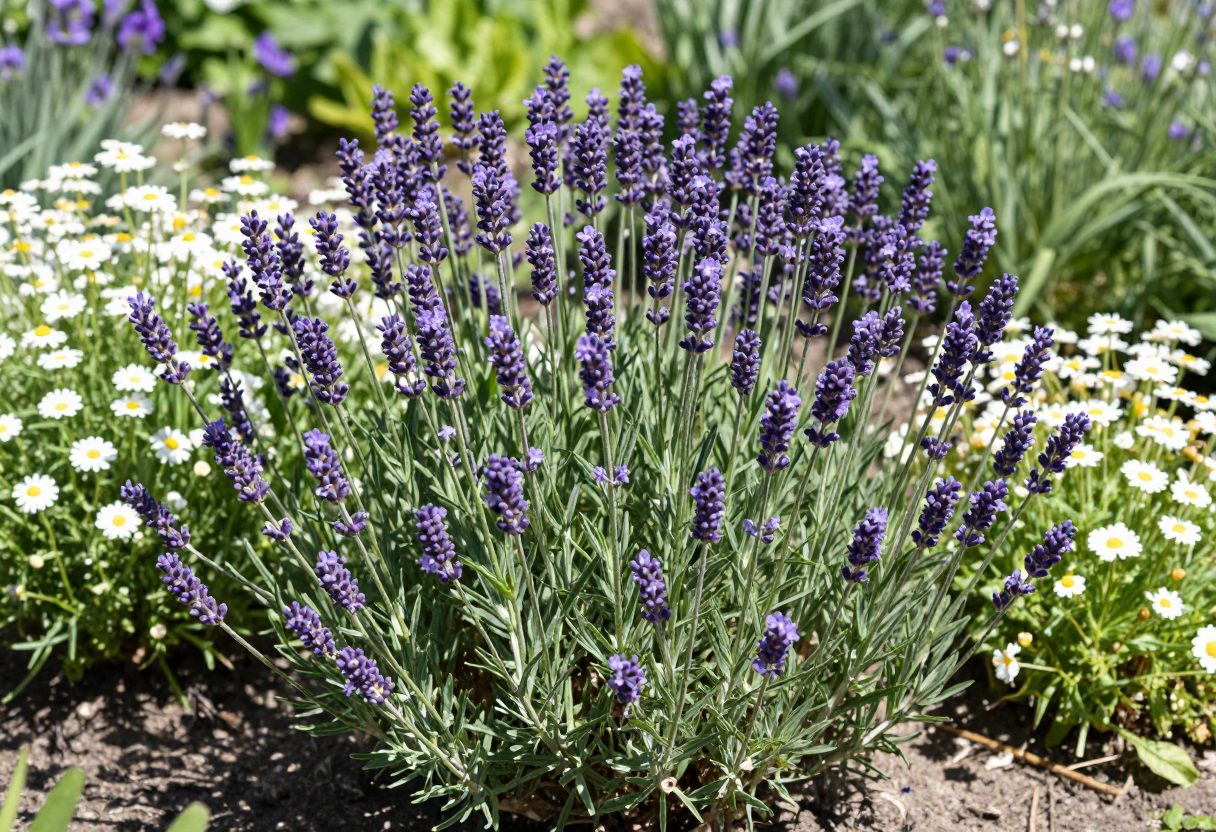
Lavender and chamomile form the backbone of a calming zone, associated with lower cortisol and reduced anxiety.
Seating, Shelter, and Airflow for Scent Capture
Designing an effective aromatherapy garden means thinking beyond plant selection — fragrance intensifies in warm, still air, so the physical design of a space affects how well its therapeutic scent is actually experienced.
•Site key fragrant plantings in a sheltered spot — a south-facing nook, a corner protected from prevailing wind — where warm, still air lets scent build up rather than dispersing immediately.
•Place seating directly within or immediately adjacent to the most fragrant plantings, not merely within view of them, since scent strength drops off quickly with distance.
•Use a low wall, hedge, or fence section to create a partial windbreak around a key seating area without blocking the sun exposure the plants need.
•Consider afternoon and evening sun exposure specifically for calming zones meant for evening relaxation — warm, low evening light both looks and feels different from a shaded spot and can reinforce the intended effect.
🪑
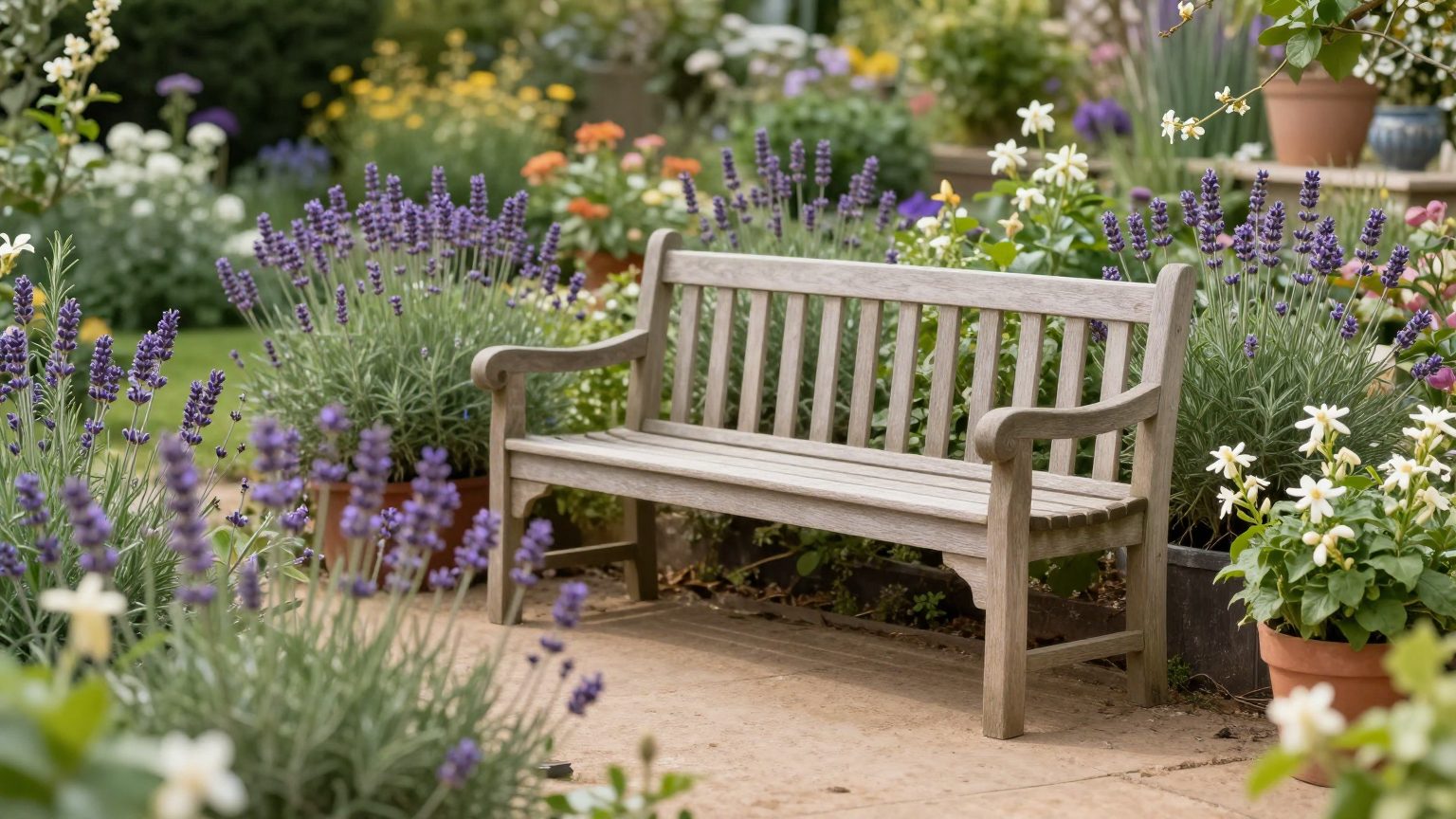
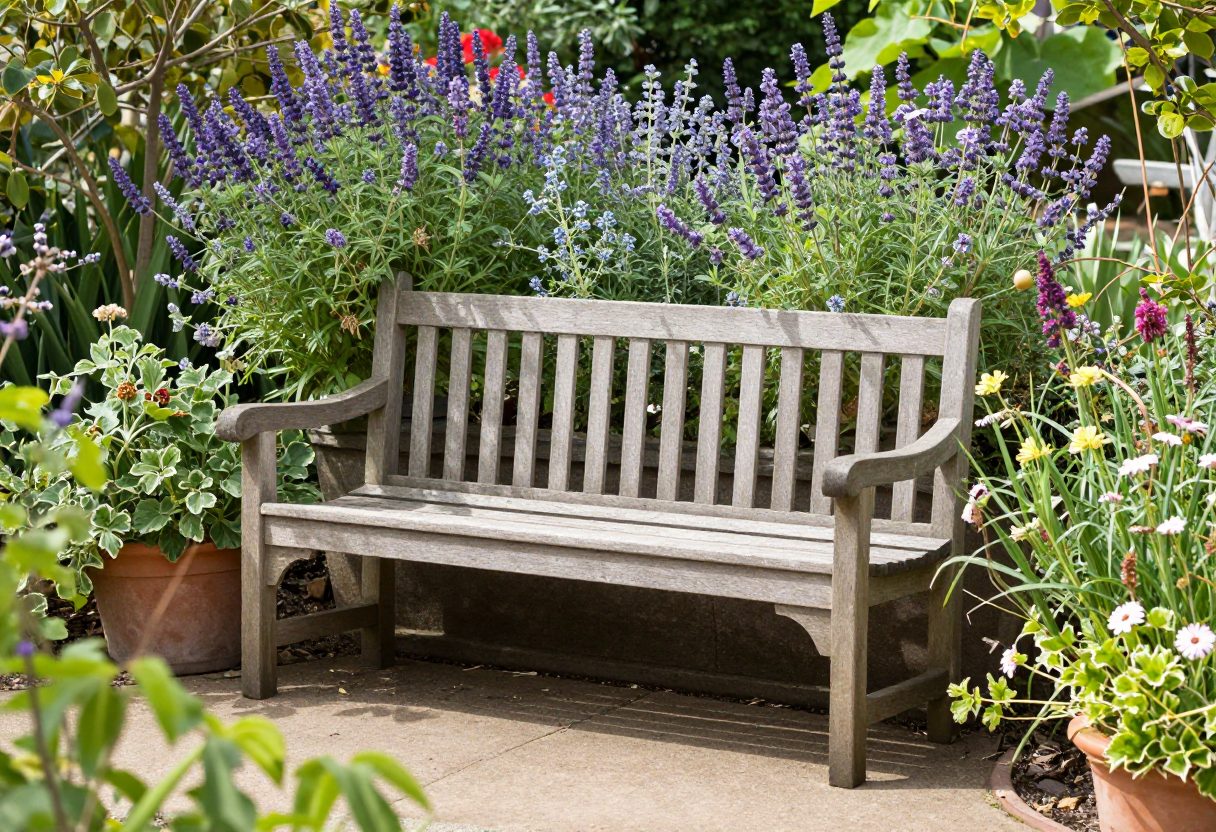
A single well-sheltered seating nook surrounded by two or three fragrant plants placed close enough to brush against will deliver a more genuinely therapeutic experience than the same plants scattered thinly across a large, exposed bed.
A sheltered, sunny nook traps warm still air, letting fragrance build up far more than an exposed bed would.
Seasonal Scent Succession
Seasonal gaps matter in an aromatherapy garden as much as in any ornamental planting — layering plants with staggered peak fragrance keeps the therapeutic garden offering something through most of the growing season.
Season
Fragrant Plants at Peak
Therapeutic Category
Spring
Narcissus, Korean spice viburnum, lily of the valley
Mood-lifting, uplifting
Early summer
Lavender (main bloom), rose (first flush), sweet pea
Calming, mood-lifting
Midsummer
Rosemary and peppermint (foliage fragrance persists through heat), jasmine (evening scent)
Foliage-based fragrance plants (rosemary, peppermint, sage) provide a reliable scent baseline across nearly the entire season, since they don't depend on a bloom window the way flower-based fragrance plants do — build the garden's seasonal backbone around these before layering in bloom-dependent plants.
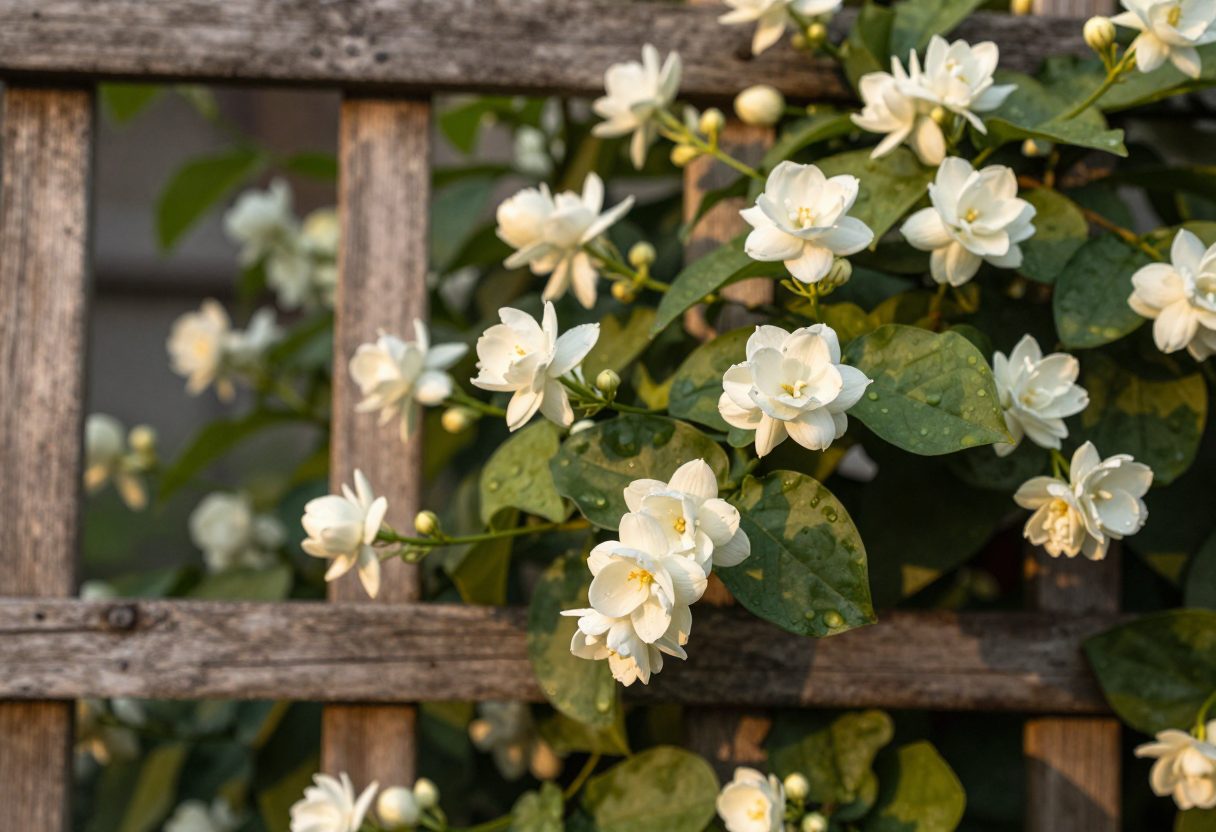
Jasmine's evening fragrance makes it a natural mood-lifting choice for a summer aromatherapy garden.
Growing Aromatherapy Herbs in Containers
Many of the most valuable aromatherapy plants grow well in containers, making a therapeutic garden achievable on a balcony, patio, or small yard without needing dedicated in-ground bed space.
•Lavender, rosemary, and sage all perform well in containers with excellent drainage — their Mediterranean origins make them naturally suited to the free-draining conditions a pot provides.
•Group several containers of complementary therapeutic plants together near a seating area to concentrate scent, mirroring the in-ground "sheltered nook" principle in a smaller footprint.
•Mint (for a bright, energizing scent) should always be container-grown regardless of available in-ground space, since its aggressive spreading habit can overwhelm a shared bed.
•Bring tender fragrant plants (some jasmine varieties, lemon verbena) indoors for winter in colder zones, extending their therapeutic use well beyond the outdoor growing season.
🪴
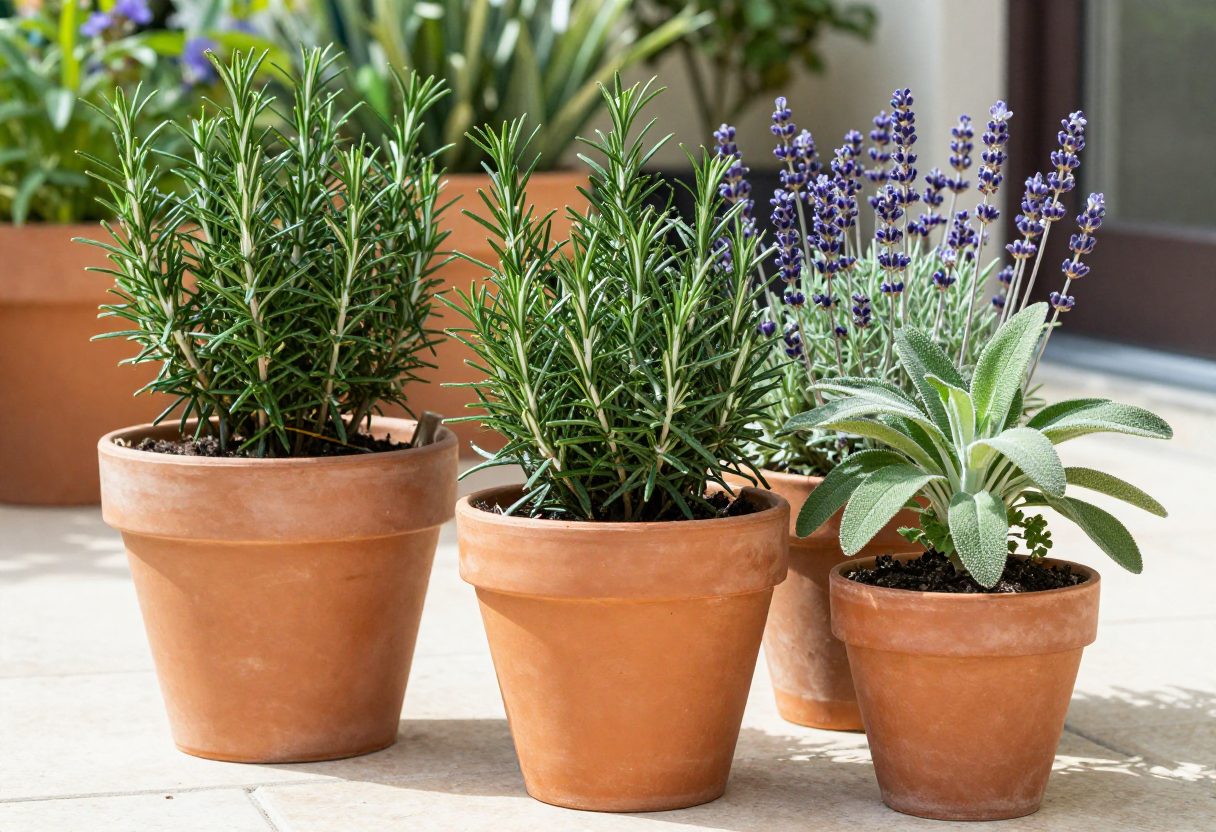
A modest grouping of just three or four well-chosen containers — one calming, one energizing, one mood-lifting — can deliver a genuine aromatherapy garden experience on a small balcony or patio with no in-ground planting at all.
A small grouping of containers can deliver a genuine aromatherapy experience on a balcony or patio with no in-ground bed needed.
Designing a Complete Wellness Garden Layout
A well-designed aromatherapy garden guides a visitor through distinct sensory experiences over the course of a walk or a day, rather than presenting all its therapeutic plants as one undifferentiated bed.
•Locate an energizing zone (rosemary, peppermint, citrus) near an entry path or morning-use area, where its bright, activating scent suits the start of a day.
•Locate a calming zone (lavender, chamomile) near primary seating meant for evening relaxation or wind-down time.
•Add a mood-lifting zone (jasmine, rose) near a path or gathering spot used throughout the day for a consistent uplifting note.
•Include at least one grounding element (sage, a small cedar or other aromatic evergreen) as a visual and olfactory anchor connecting the different zones together.
🧘
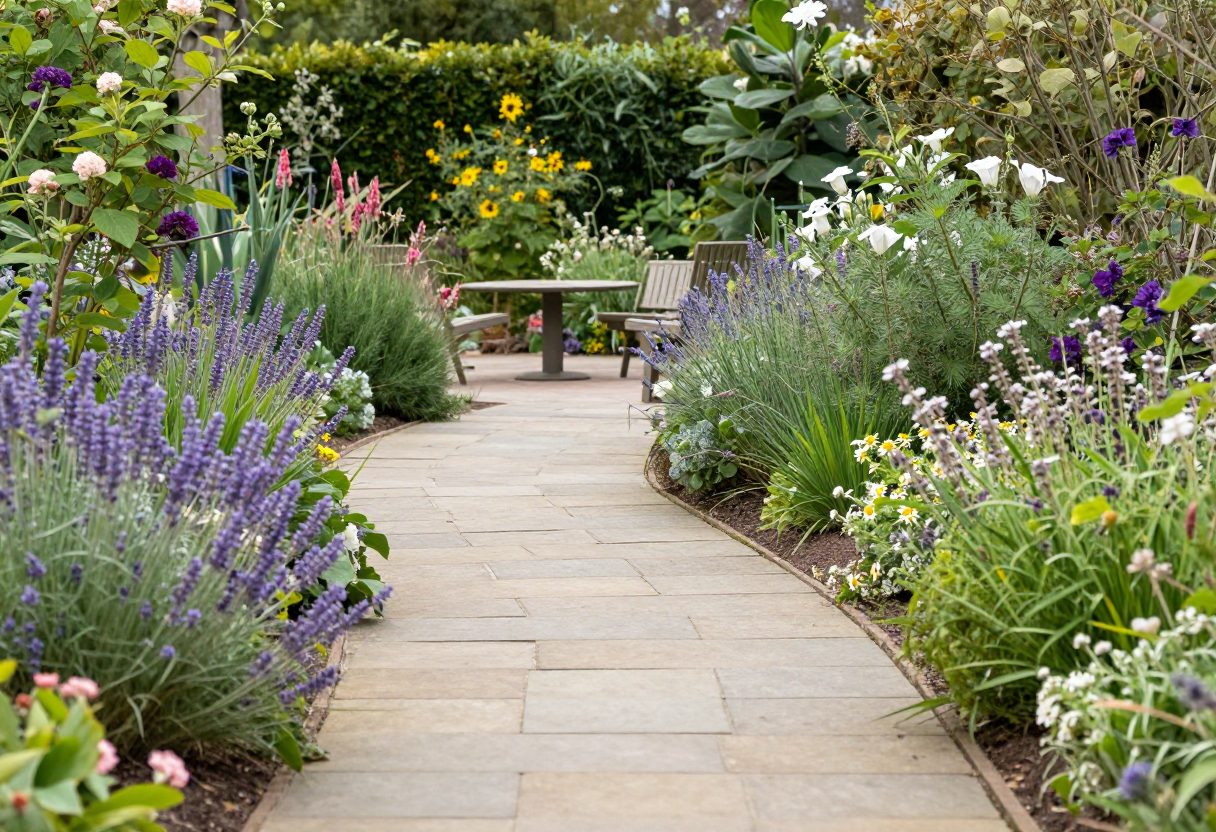
Walking the same path daily through a well-sequenced aromatherapy garden — energizing scent near the entry, calming scent near the seat you actually use in the evening — turns an ordinary daily routine into a small, repeatable wellness ritual.
A well-sequenced path guides visitors through distinct therapeutic zones rather than presenting one undifferentiated bed.
🌿 Get Seasonal Gardening Tips
New guides, planting reminders, and growing tips — straight to your inbox.
No spam. Unsubscribe anytime.
About the Author
David Rodgers is the Founder & Head Gardener of Planting Atlas. With over 40 years of hands-on gardening experience in Oklahoma's Zone 7 climate, he researches, writes, and personally tests every guide on the site.
David draws from real backyard trials, soil testing, and trusted sources like Oklahoma State University Extension and USDA data to deliver practical, zone-specific advice that actually works.