Aromatherapy Garden
Written by David Rodgers — Updated March 2026
Design a garden around therapeutic scent — calming, energizing, and mood-lifting plants arranged to create a genuine outdoor wellness space.
An aromatherapy garden is built on the same principle as a wellness practice: deliberate, intentional, and tailored to how you want to feel. Lavender and chamomile lower cortisol and promote calm; rosemary and peppermint are mentally activating and improve focus; jasmine and rose have been shown in small studies to lift mood and reduce anxiety. Unlike a general fragrance garden, an aromatherapy garden groups plants by their effect, so you can move through spaces that energize in the morning and unwind in the evening.
What This Guide Covers
Designing an effective aromatherapy garden means thinking beyond plant selection to seating, shelter, airflow, and seasonality. Fragrance intensifies in warm, still air — so a sheltered south-facing seat surrounded by lavender or lemon verbena captures scent far better than an exposed bed. Seasonal gaps matter too: spring brings narcissus and Korean spice viburnum, summer delivers roses and jasmine, and fall offers sweet autumn clematis and witch hazel. With thoughtful layering, the therapeutic garden offers something every month of the growing season.
A comprehensive, in-depth guide covering plant selection by therapeutic effect, garden layout and seating design, seasonal scent succession, and growing aromatherapy herbs in containers is currently in development. Subscribe to the Planting Atlas newsletter to be notified when the full guide publishes.
🌿 Get Seasonal Gardening Tips
New guides, planting reminders, and growing tips — straight to your inbox.
No spam. Unsubscribe anytime.
About the Author
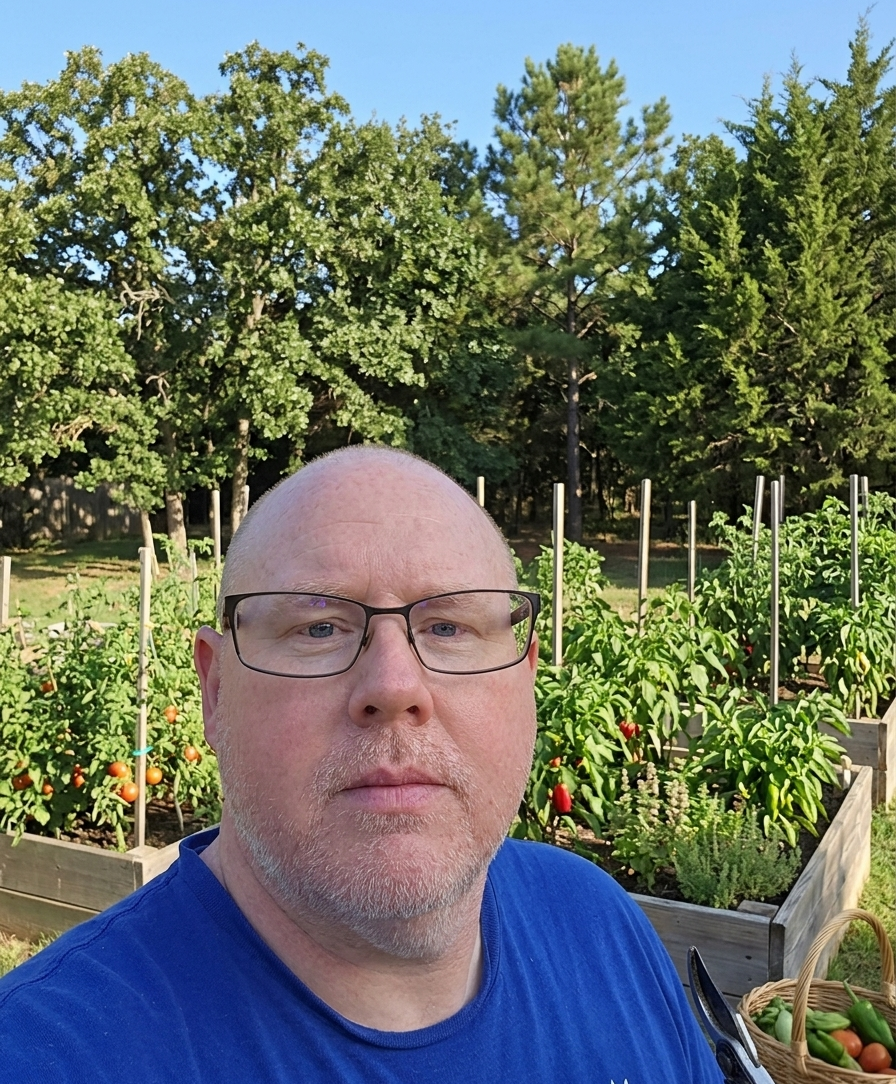
David Rodgers is the Founder & Head Gardener of Planting Atlas. With over 40 years of hands-on gardening experience in Oklahoma's Zone 7 climate, he researches, writes, and personally tests every guide on the site.
David draws from real backyard trials, soil testing, and trusted sources like Oklahoma State University Extension and USDA data to deliver practical, zone-specific advice that actually works.
Read more about David and Planting Atlas →